Solar Installation Services: A 2026 Step-by-Step Guide
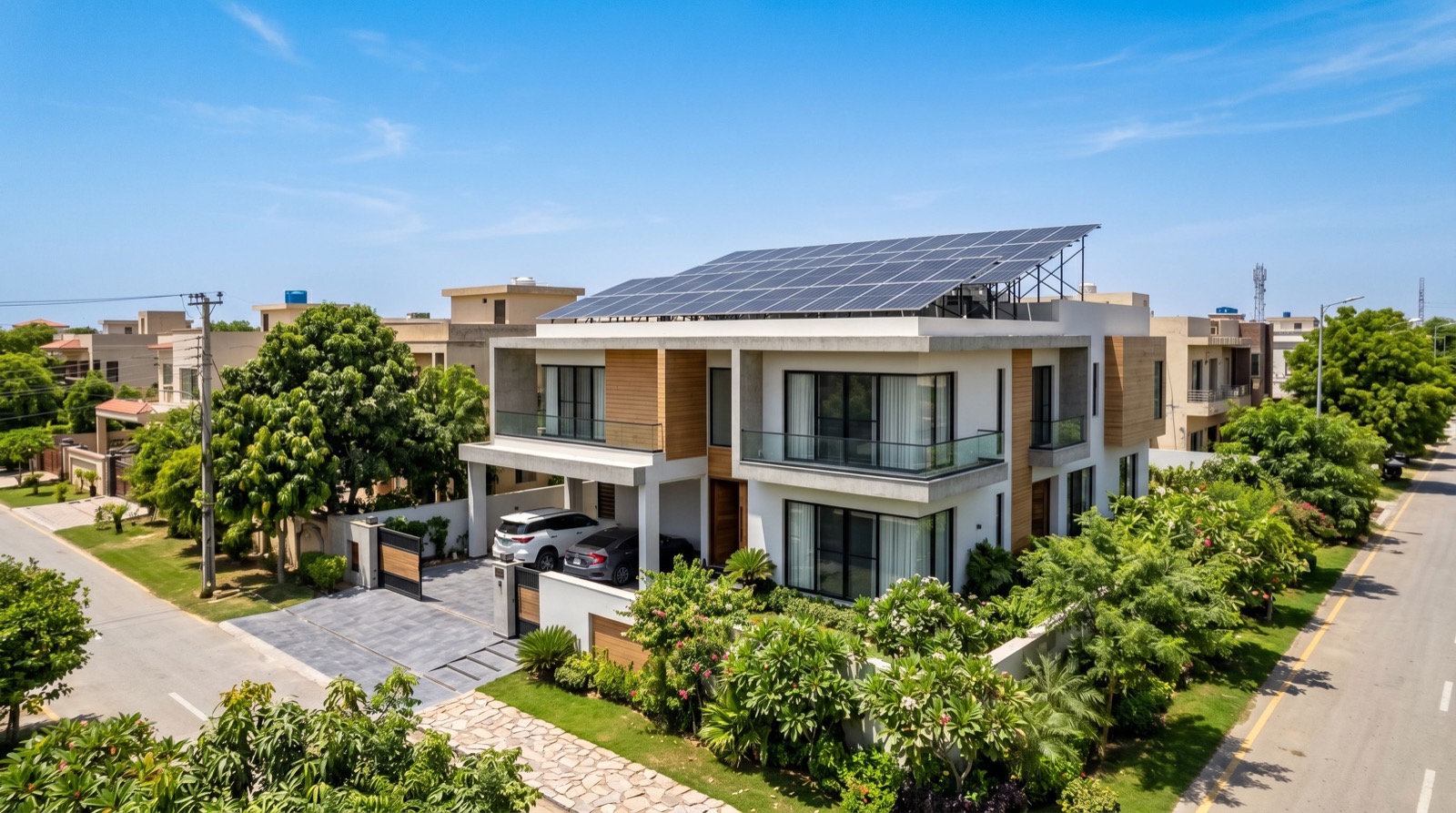
Professional solar installation services turn a pile of panels and cables into a safe, efficient system that pays for itself for decades. Many Pakistani buyers focus only on hardware prices and forget that the quality of the installation decides how much energy they actually harvest. In 2026, with more homes going solar than ever, understanding the installation process helps you ask the right questions and avoid costly mistakes.
This guide walks through every stage of a professional install, from the first site survey to final commissioning, so you know exactly what good service looks like.
What Do Professional Solar Installation Services Include?
A complete service is far more than bolting panels to a roof. It covers design, permitting, mounting, wiring, safety protection, and testing. Reputable providers also handle net-metering paperwork and provide a performance guarantee.
The core deliverables
- Site survey and shading analysis.
- System design and component selection.
- Structural mounting and panel placement.
- Electrical wiring, earthing, and surge protection.
- Commissioning, testing, and handover documentation.
Step-by-Step: How a Solar Installation Works
Knowing the sequence helps you track progress and spot shortcuts. A quality installer follows a disciplined order rather than rushing straight to the roof.
- Survey: technicians measure roof space, angle, and shading across the day.
- Design: engineers size the array, inverter, and any storage.
- Procurement: genuine, warrantied components are sourced.
- Mounting: rust-proof structures are fixed with correct tilt and orientation.
- Wiring: DC and AC cabling, isolators, and earthing are installed to code.
- Testing: the system is energised, checked, and its output verified.
When you buy solar panels in Pakistan as part of a bundled service, the installer takes responsibility for the whole chain, which usually means better compatibility and a single point of accountability if anything needs attention later.
Rooftop vs Ground-Mount Installations
Most homes use rooftop mounts to save space, while farms and factories sometimes prefer ground arrays for easier cleaning and expansion. Each has trade-offs in cost, maintenance, and performance.
| Factor | Rooftop | Ground-Mount |
|---|---|---|
| Space usage | Uses unused roof | Needs open land |
| Installation cost | Lower | Higher (civil work) |
| Cleaning & access | Harder | Easy |
| Expansion | Limited by roof | Flexible |
| Ideal for | Homes, shops | Farms, factories |
How to Choose a Reliable Installer in 2026
The installer matters as much as the panels. A poor install can lose 20% or more of potential output through bad angles, shading, or loose connections. Vet your provider carefully before signing.
Questions worth asking
- Do you provide a workmanship warranty, not just product warranties?
- Are your technicians trained and certified?
- Will you handle net-metering approval end to end?
- Can you share local references or completed projects?
Working with reputable service experts protects both your safety and your investment. The U.S. Department of Energy recommends obtaining multiple quotes and verifying credentials before committing, advice that applies just as strongly in Pakistan.
Maintenance After Installation
A good service does not end at handover. Panels need periodic cleaning because dust and bird droppings cut output, especially in dry regions. Connections should be inspected annually, and inverter firmware kept up to date.
Many providers now offer annual maintenance contracts that include cleaning, thermal inspection, and performance reporting, keeping your system near its rated output year after year.
What Separates a Good Install From a Bad One
Two systems with identical panels can produce very different results, and the difference almost always traces back to installation quality. Correct tilt and orientation alone can swing annual output by double digits. In Pakistan, a south-facing array tilted roughly to your latitude captures the most energy across the year.
Cable management is another silent factor. Undersized or poorly routed DC cables create voltage drop and heat, quietly bleeding away energy and creating fire risk. Professional teams use correctly rated cable, weatherproof connectors, and tidy routing that is easy to inspect later.
Signs of a quality installation
- Panels mounted with consistent spacing and secure, rust-proof clamps.
- Neatly bundled, correctly rated, UV-protected cabling.
- Proper earthing and clearly labelled isolators.
- Surge and overcurrent protection on both DC and AC sides.
- A commissioning report showing tested output figures.
Budgeting and Timeline Expectations
A realistic plan prevents disappointment. Beyond the hardware, budget for mounting structures, protection devices, cabling, labour, and net-metering fees. Skimping on these support items is a false economy that undermines the whole system.
Timelines also deserve clarity. The physical install is quick, but surveys, procurement, and utility approvals add lead time. A transparent installer gives you a stage-by-stage schedule up front so you know when each milestone, from survey to grid connection, should be complete.
- Survey and quote: a few days.
- Procurement and scheduling: one to two weeks.
- Physical installation: one to three days.
- Net-metering approval: several weeks, handled by the installer.
Frequently Asked Questions
How long do solar installation services take?
A typical residential rooftop system is installed in one to three days, depending on size and complexity. Net-metering approval can add a few weeks, handled separately by the installer.
Do I need permits for solar in Pakistan?
For net metering you need approval from your distribution company, and your installer usually manages the application. Off-grid backup systems generally need less paperwork.
Can installation be done on any roof?
Most concrete and metal roofs are suitable. Technicians assess structural strength, orientation, and shading during the survey and recommend mounting that suits your specific roof.
What happens if a panel underperforms later?
Quality installers back their work with warranties and will inspect, re-seat, or replace faulty components. This is why choosing an accountable provider matters more than chasing the lowest price.
Can I expand my system after installation?
Yes, if the system is designed with headroom. A forward-thinking installer leaves inverter capacity and roof space for future panels or batteries, so expanding later is straightforward rather than a costly rebuild.
Is professional installation worth it over DIY?
For almost everyone, yes. Professional work ensures safe earthing, correct sizing, warranty validity, and net-metering compliance. A small DIY saving rarely offsets the lost output and safety risk of an amateur install.
Conclusion
Great hardware only delivers its promise when it is installed correctly. Professional solar installation services bring design expertise, safe wiring, proper permitting, and ongoing support that protect your energy savings for decades. Before you commit in 2026, compare quotes, verify credentials, and choose a team that stands behind its work. Book a professional site survey today and start your solar journey the right way.