Solar Company in Karachi: The Complete 2026 Rooftop Guide
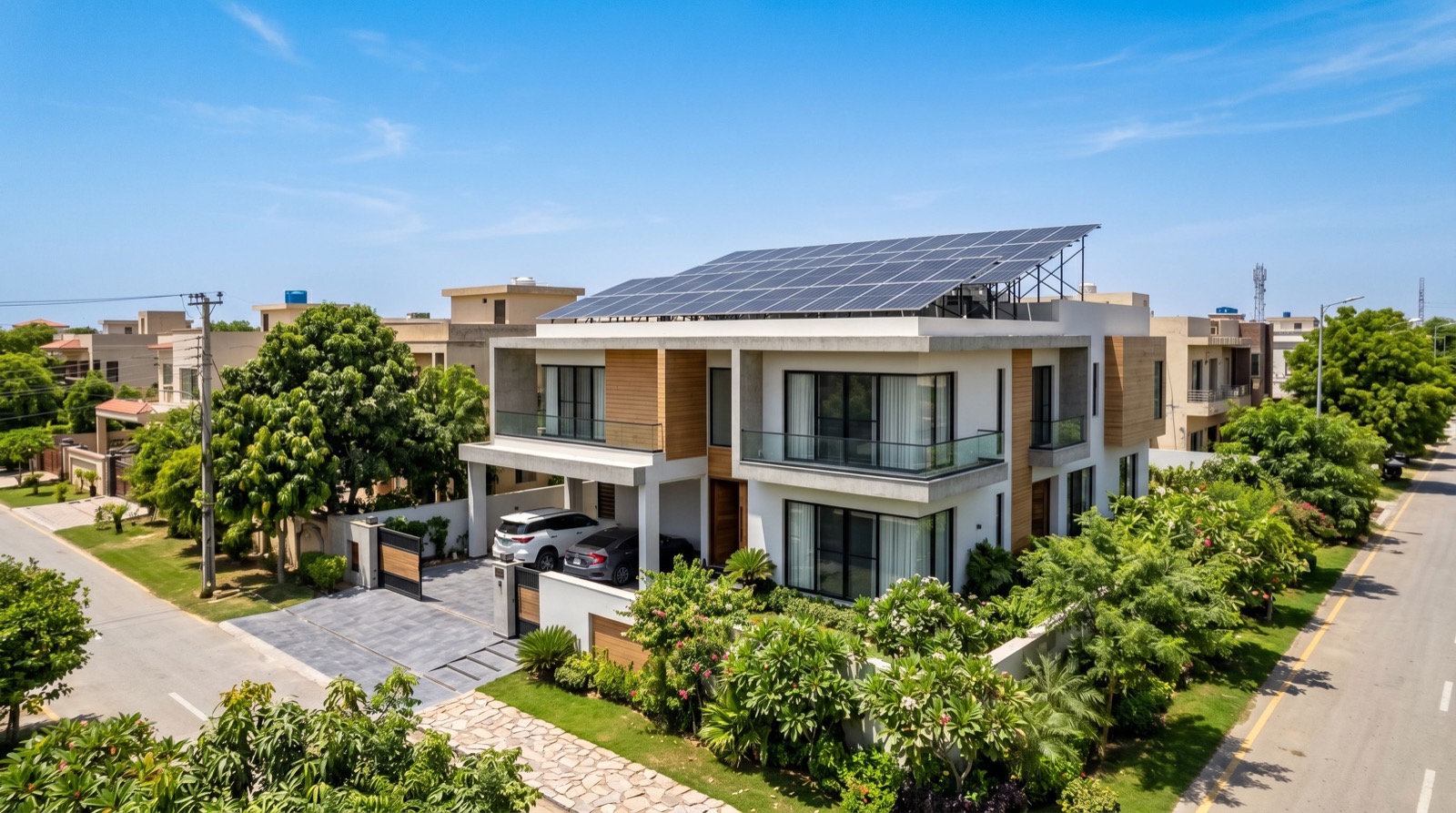
For a megacity that never sleeps, finding the right solar company in Karachi has become a top priority for households and businesses fed up with K-Electric bills and unpredictable outages. Karachi enjoys a coastal climate with abundant sunshine and mild winters, which makes rooftop solar unusually productive and consistent across the year. In this 2026 guide, I walk you through system sizing, coastal-specific design, net-metering, and how to pick an installer you can trust.
Karachi’s scale means every neighbourhood has slightly different roof conditions, salt exposure, and shading. A thoughtful, city-aware approach beats a copy-paste package every time.
Why Karachi is ideal for solar in 2026
Karachi receives strong, steady solar irradiance and rarely suffers the prolonged fog that dents winter output in upper Punjab. The World Bank has repeatedly highlighted Pakistan’s exceptional solar potential as a route to affordable, reliable power. On the coast, that potential is especially consistent month to month.
With K-Electric tariffs climbing, the payback maths for a well-designed rooftop system keeps improving. A capable solar company in Karachi converts that abundant sunshine into bill savings and dependable backup during outages.
The coastal factor: salt and humidity
Karachi’s sea air introduces a design challenge that inland cities do not face — salt-laden humidity accelerates corrosion. That means marine-grade or well-coated mounting structures, sealed connectors, and corrosion-resistant hardware are not optional near the coast. A quality installer specifies these as standard for Clifton, DHA, and other seafront areas.
What size system does a Karachi home need?
Sizing starts with your actual consumption, not guesswork. Pull your last twelve K-Electric bills, find your average monthly units, and design around that. The table below gives a realistic 2026 starting point.
| Monthly Units | Suggested System | Type | Installed Cost (PKR) |
|---|---|---|---|
| 300–450 | 3 kW | On-grid | 550,000 – 750,000 |
| 600–750 | 5 kW | Hybrid | 1,000,000 – 1,400,000 |
| 1,000–1,300 | 8–10 kW | Hybrid | 1,700,000 – 2,700,000 |
| 1,800+ | 15 kW+ | Commercial | 3,000,000+ |
Because outages still occur, most Karachi buyers in 2026 lean toward hybrid systems with lithium batteries for genuine backup during peak summer stress on the grid.
Understanding net-metering with K-Electric
Net-metering lets your surplus daytime generation flow back to the grid, earning credits that offset the units you draw at night. A professional installer manages the K-Electric application, the bi-directional meter, and the technical documentation. Ask any prospective company how many net-metered systems they have commissioned this year.
- Bi-directional meter: records both import and export.
- Credit banking: surplus units offset future bills.
- Right-sizing: a good design maximises self-consumption while keeping export worthwhile.
How do I choose a trustworthy installer in Karachi?
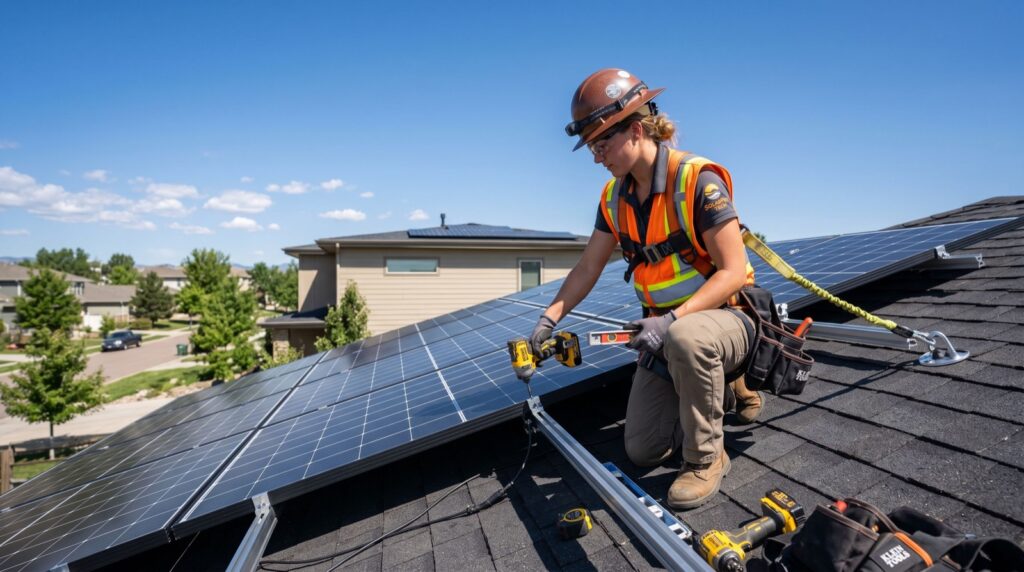
Vet on substance, not slogans. Insist on a load audit, an itemised bill of materials, written warranties, and coastal-grade hardware where relevant. A dependable solar company in Karachi will happily explain why it chose a particular inverter and how it protects the array from salt corrosion.
The same buyer discipline travels well across the country. Someone comparing quotes for solar panels in Multan faces different climate stresses — heat instead of salt — but the core rule is identical: choose transparent, well-documented design over the cheapest headline price. For a broader take on judging service quality before you commit, trusted professionals make the same argument in their own field.
A quick installer checklist
- Do they visit the site and audit your bills before quoting?
- Is the equipment Tier-1 with verifiable serial numbers?
- Do they specify corrosion-resistant hardware for coastal roofs?
- Will they handle the full K-Electric net-metering process?
- Can they show recent, local installations and references?
Maintenance in a coastal megacity
Karachi’s coastal dust and salt film reduce output if ignored. Rinse panels every few weeks, inspect connectors annually for corrosion, and keep an eye on the monitoring app for sudden production dips. Well-maintained systems hold near-peak performance for decades.
On-grid vs hybrid: which suits your neighbourhood?
Not every Karachi household has the same needs. In areas with relatively stable K-Electric supply, an on-grid system delivers the fastest payback because it skips the cost of batteries and simply exports surplus for credits. In neighbourhoods that still endure frequent outages, a hybrid system with lithium backup keeps essential loads running when the grid drops.
The decision comes down to how much you value uninterrupted power versus the lowest upfront cost. For most families and small businesses in 2026, the peace of mind of backup during Karachi’s peak-summer grid stress justifies the hybrid premium.
| Priority | Best Choice | Why |
|---|---|---|
| Lowest upfront cost | On-grid | No batteries required |
| Backup during outages | Hybrid | Batteries carry you through |
| Maximum bill savings | Hybrid or on-grid | Net-metering credits either way |
| Remote / no grid | Off-grid | Full independence |
Financing your Karachi system in 2026
Several Pakistani banks now offer dedicated solar financing, letting you spread the cost over several years. Because your monthly saving often covers a large part of the instalment, many buyers reach positive cash flow almost immediately while still building an owned, appreciating asset on the roof.
Before signing any financing agreement, compare the total interest cost against paying cash, and make sure the loan tenure is shorter than the system’s warranty period. A well-structured plan means the rooftop pays for itself and then keeps paying you for many years afterward, which is exactly the outcome a smart Karachi buyer should aim for in 2026.
Frequently Asked Questions
Is salt air a problem for solar panels in Karachi?
Salt accelerates corrosion of mounting and connectors, not the panels’ glass. A quality installer uses corrosion-resistant, sealed hardware near the coast, which fully protects the system for its full lifespan.
How much can a Karachi household save with solar in 2026?
A 5 kW hybrid system typically saves PKR 35,000–45,000 a month against K-Electric tariffs, giving a payback of roughly three to five years before power becomes essentially free.
Does Karachi’s mild winter affect output?
Positively. Karachi rarely suffers dense winter fog, so output stays more consistent year-round than in upper Punjab, making annual savings very predictable.
How long does net-metering approval take?
It varies, but you can typically use the system on-grid while K-Electric processes the application, which usually takes a few weeks with an experienced installer handling the paperwork.
Conclusion: power Karachi from your own rooftop
Choosing the right solar company in Karachi in 2026 means finding a partner who understands coastal design, sizes the system to your real usage, and manages K-Electric net-metering end to end. Get that combination, and your rooftop delivers lower bills, reliable backup, and decades of clean power. Ready to take control of your electricity costs? Request a free site survey and a tailored quote from a trusted local team today.